
Industrial equipment is built to handle heavy workloads, but even the toughest industrial machinery needs regular attention. Without a solid maintenance plan, small problems turn into major equipment failures that shut down production lines and drive up maintenance costs.
This guide covers the maintenance practices that keep industrial machines running longer, performing better, and costing less to operate over time.
Why Industrial Equipment Maintenance Matters
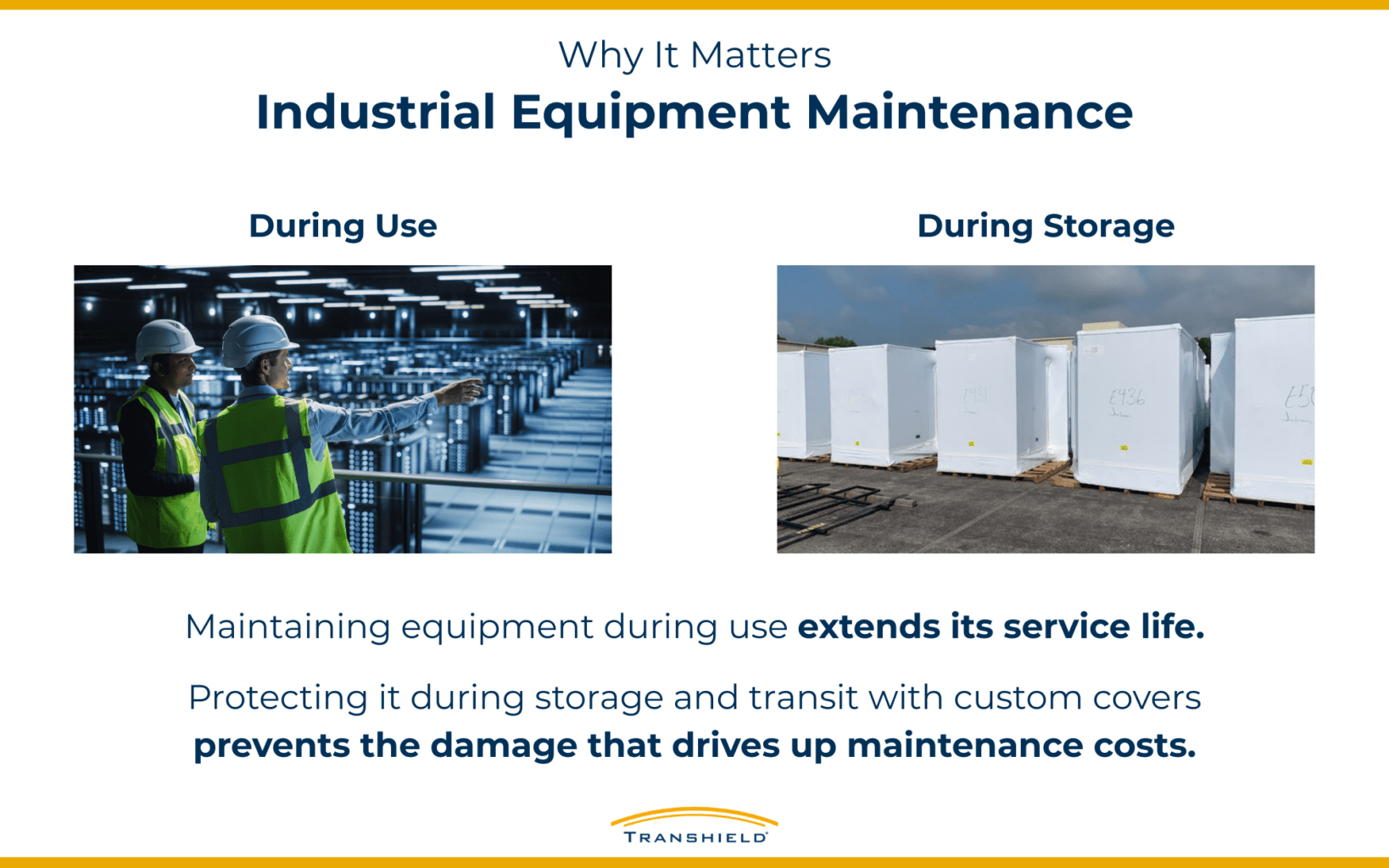
Unplanned downtime is expensive. When a conveyor system stops or an electric motor fails mid-shift, the costs go beyond just the repair. You lose production time, miss deadlines, and put additional strain on the rest of your mechanical systems.
A consistent approach to industrial maintenance helps you avoid those situations. Here’s what a good program delivers:
- Fewer unexpected equipment failures and production stoppages
- Lower overall maintenance costs compared to reactive repairs
- Longer service life for heavy equipment and production machinery
- Safer working conditions for every maintenance worker on your team
- Better return on your equipment investment
Types of Industrial Maintenance Programs
Not all maintenance approaches work the same way. The most effective programs combine multiple strategies depending on the equipment and how it’s used.
| Maintenance Type | How It Works | Best For |
| Reactive (Run-to-Failure) | Fix it when it breaks | Low-cost, non-critical items |
| Preventive Maintenance | Scheduled service at set intervals | Most production machinery |
| Predictive Maintenance | Uses real-time data to anticipate failures | High-value or critical equipment |
| Condition-Based | Monitors specific indicators like vibration or temperature | Hydraulic systems, electric motors |
Preventive maintenance is the foundation for most operations. It keeps equipment on a regular service schedule so that wear items get replaced before they cause a breakdown.
A predictive maintenance strategy takes it a step further by using sensors and monitoring tools to flag issues before they become visible, helping your maintenance team act on data rather than guesswork. With real-time monitoring technology becoming more accessible, even mid-size operations can start building predictive capabilities into their programs.
Maintenance Tips While Equipment Is in Operation
Follow Manufacturer Service Schedules
Every piece of industrial machinery comes with recommended service intervals. These exist for a reason. Skipping oil changes, filter replacements, or calibration checks might save time in the short term, but it accelerates wear on internal mechanical components.
Keep a maintenance log for each machine tool and piece of production machinery, and stick to the schedule.
Train Your Maintenance Team
A skilled industrial maintenance technician catches problems that untrained eyes miss. The technical skills needed to troubleshoot motor controls, diagnose hydraulic systems, and service fluid power components don’t develop overnight. Investing in your team’s development pays off in fewer breakdowns and faster repairs.
Many manufacturers offer equipment-specific training programs, and keeping your current team sharp on new maintenance technology should be an ongoing priority.
Inspect Regularly
Routine inspections are one of the simplest ways to catch issues early. Look for signs of wear, leaks, unusual vibration, and abnormal noise. Pay close attention to hydraulic systems, motor controls, conveyor systems, and high-wear mechanical components.
A quick daily walkaround takes minutes. A missed problem can take days to repair.
Keep Equipment Clean
Dirt, dust, and debris work their way into moving parts and cause premature wear. Regular cleaning around air intakes, filters, and cooling systems keeps machines running at the right temperature. It also reduces strain on electric motors and other components.
Lubricate on Schedule
Proper lubrication reduces friction and heat in moving parts. Use the lubricants specified by the manufacturer and apply them at the recommended intervals. Over-lubrication can cause problems too, so follow guidelines closely. This is especially important for machine tools and conveyor systems, where friction can degrade performance quickly.
Monitor Fluid Systems
Hydraulic systems and fluid power components rely on clean fluid at the right levels. Contaminated hydraulic fluid is one of the leading causes of hydraulic system failure. Check fluid levels, replace filters, and test fluid condition as part of your preventive maintenance routine.
Address Small Problems Immediately
A minor leak or a slightly off vibration pattern is your equipment telling you something. A good industrial mechanic knows that fixing small issues right away prevents them from cascading into larger, more expensive repairs that take equipment out of service for extended periods.
Document Everything
Good records help you spot patterns. If the same industrial machine keeps having the same issue, your documentation will show it. Tracking maintenance history also supports better decisions about when to repair versus when to replace aging equipment. Over time, these records give your maintenance team a clear picture of each asset’s condition.
Protect Equipment During Storage and Transportation
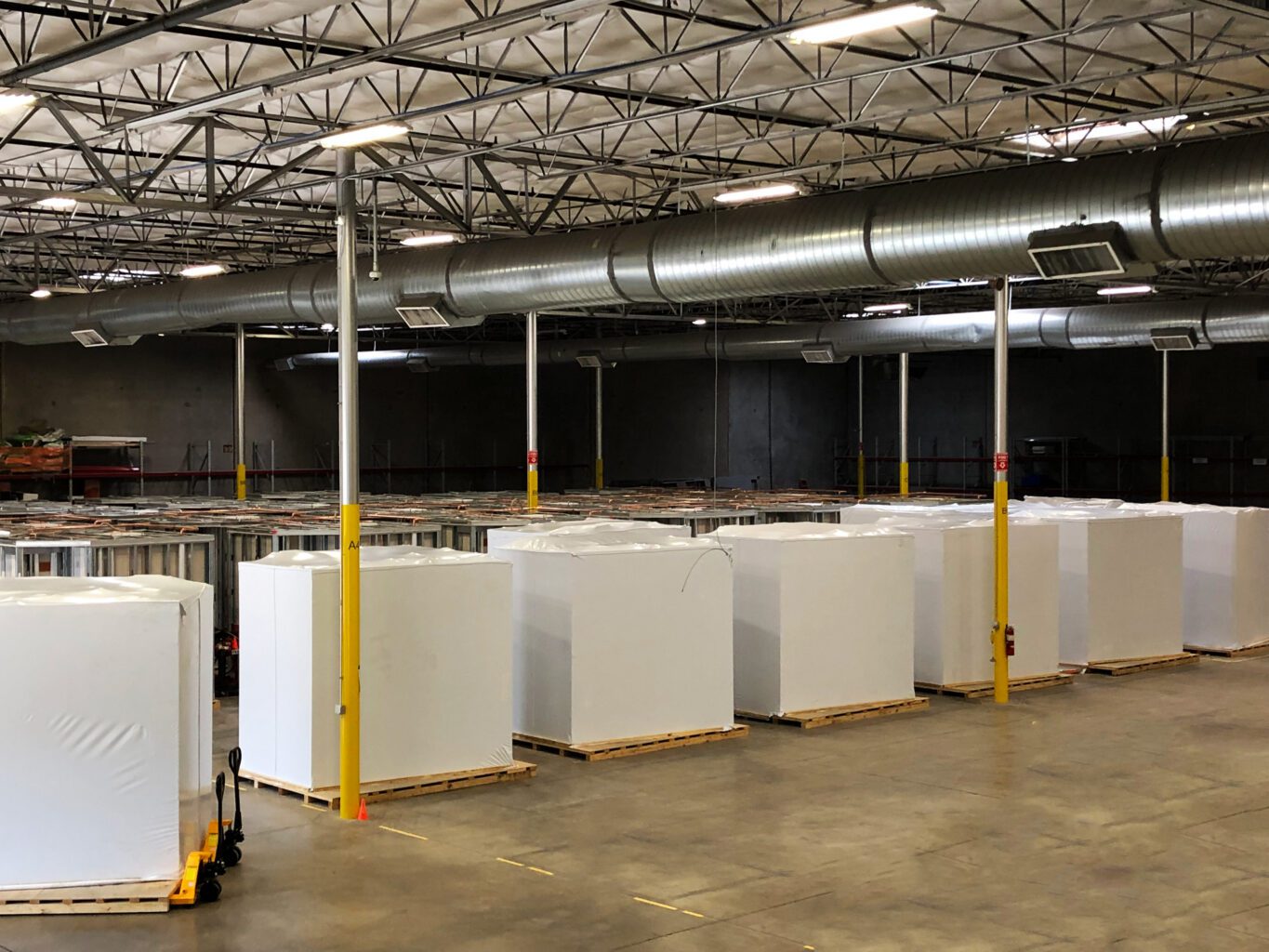
Maintenance doesn’t stop when the equipment does. Heavy equipment and industrial machinery that sit in storage or travel after being manufactured face real threats from moisture, UV exposure, temperature swings, dust, and corrosion. Neglecting protection during these periods can undo months of careful maintenance work.
The right protective cover reduces the maintenance your equipment needs when it comes out of storage or arrives at its destination.
Why Generic Tarps Fall Short
Generic tarps trap moisture underneath and leave gaps where water, debris, and pests get in. They blow loose in the wind and create pooling that accelerates corrosion rather than preventing it. That’s why many operations turn to purpose-built protection.
Custom Covers from Transhield
Transhield manufactures custom equipment covers designed to fit specific machinery, providing complete coverage without the gaps and pooling issues that come with one-size-fits-all solutions. The three-layer cover system:
- Blocks UV rays with an outer polyethylene film
- Resists water to keep interiors dry
- Wicks moisture away from surfaces with a soft inner layer
Covers can also include vapor corrosion inhibitor additives that release protective molecules into the space around metal components, slowing the corrosion process by up to 95%.
Features like zipper doors, vents, and secure fastening systems can be tailored to your specific equipment. Whether your machinery is sitting outdoors waiting for deployment or traveling cross-country on a flatbed, the right protective cover keeps it in the condition your maintenance efforts worked to achieve.
Build a Maintenance Plan That Works
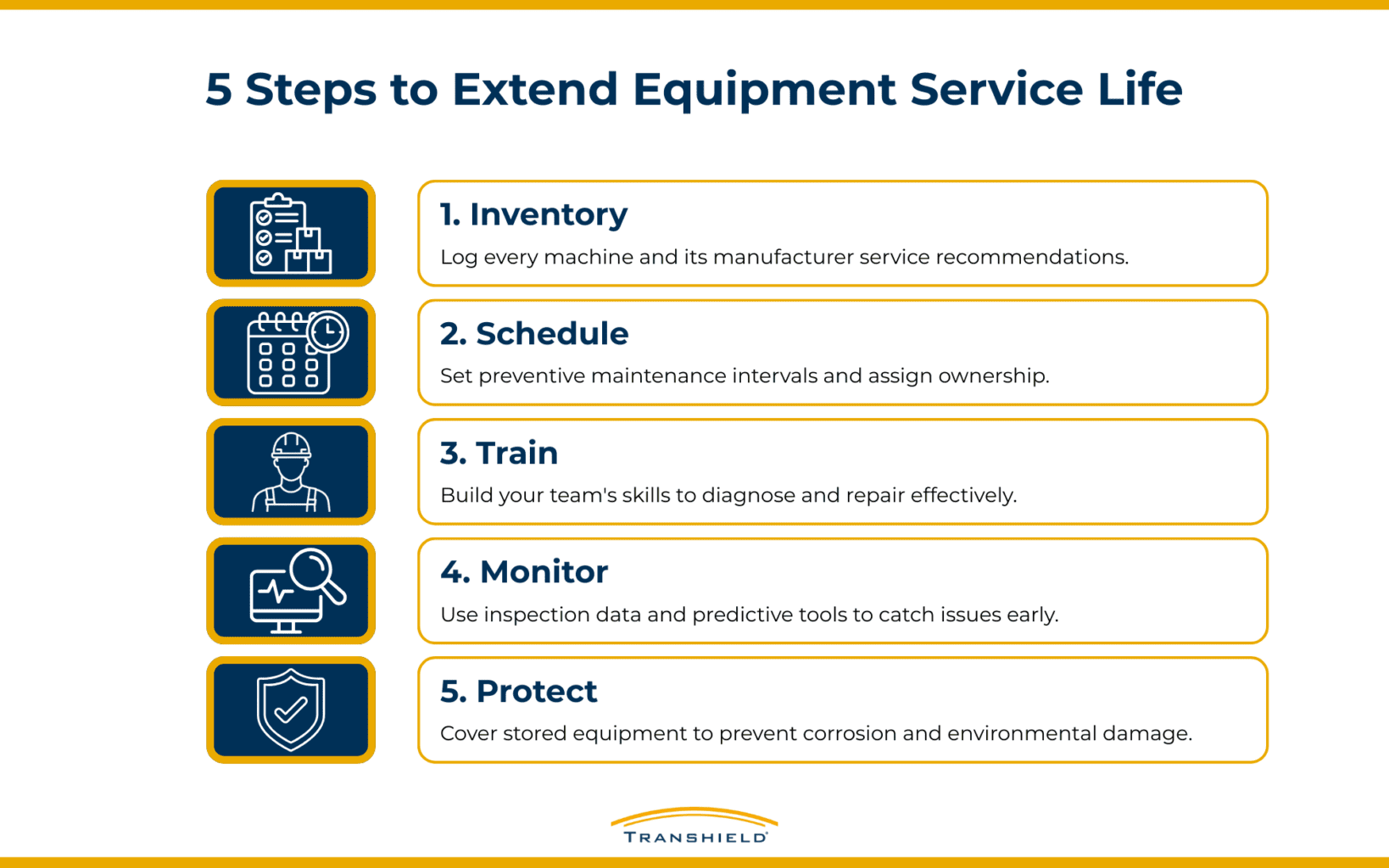
The best maintenance programs aren’t complicated. They’re consistent. Start with these steps:
- Inventory your equipment and note manufacturer recommendations for each industrial machine.
- Set a schedule for preventive maintenance tasks and assign responsibility to a specific machine mechanic or team.
- Invest in training so your installation technicians, maintenance mechanics, and service technicians have the technical skills to do the job right.
- Use data from inspections and, where possible, a predictive maintenance strategy with real time monitoring to guide decisions.
- Protect stored equipment with proper covers and storage practices to guard against corrosion and environmental damage.
Industrial equipment is a major investment. A thoughtful maintenance plan, combined with proper protection during storage and transit, helps you get the longest possible service life out of every machine in your operation.
Ready to protect your equipment during storage and transit? Contact Transhield today to learn about custom cover solutions for your specific machinery.