
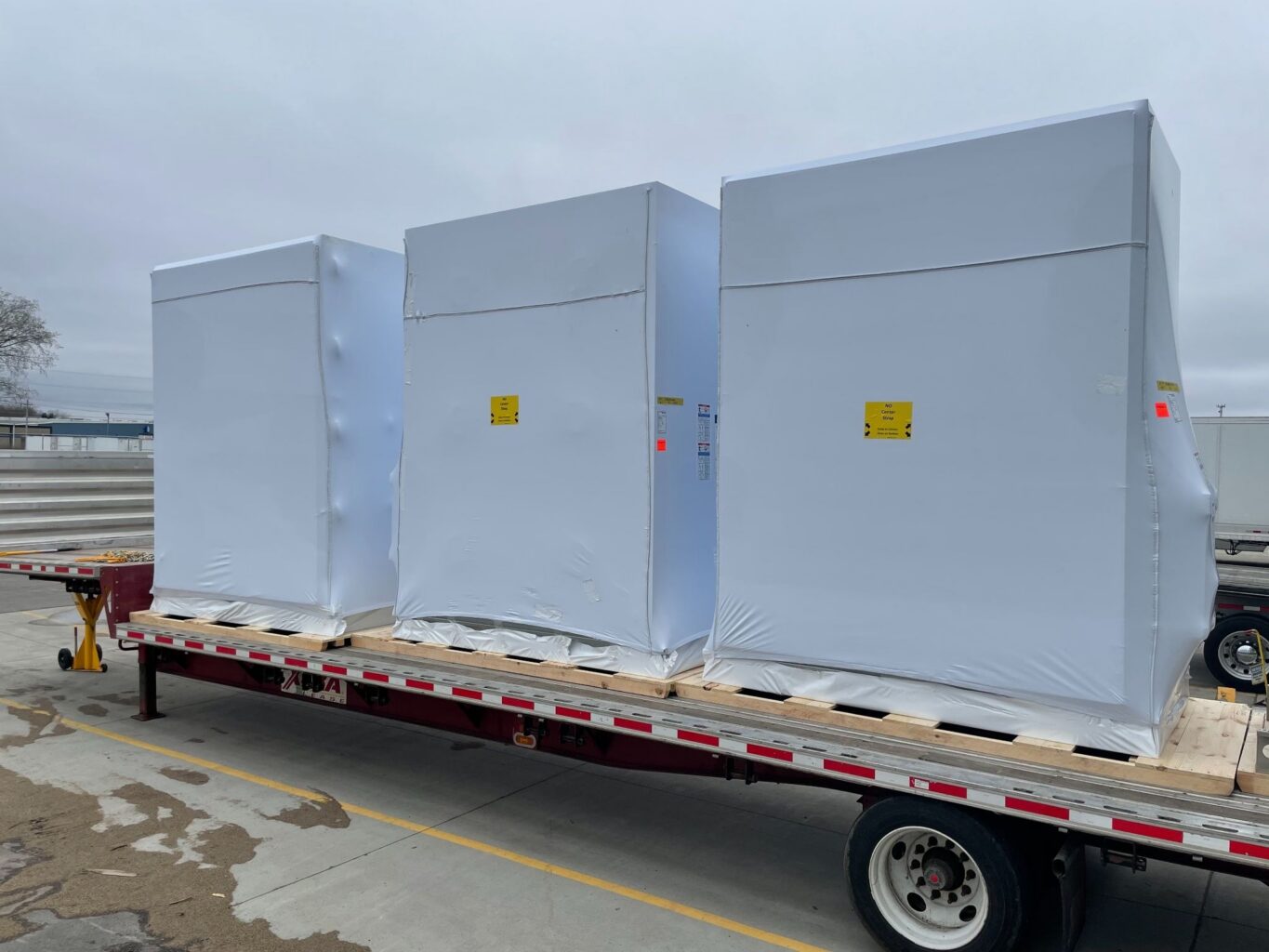
Manufacturers, distributors, and fleet managers rarely have enough indoor space for every asset. Finished machinery waits in the yard for shipment, dealers carry outdoor power equipment inventory on the lot through the off-season, and government fleets sit outside between deployments. For most operations, outdoor storage is the practical option, and it works well when you approach it with a plan.
This guide covers how to prepare outdoor equipment for storage, choose the right protection, and keep assets in factory-fresh condition until they move again.
What Outdoor Storage Exposes Equipment To
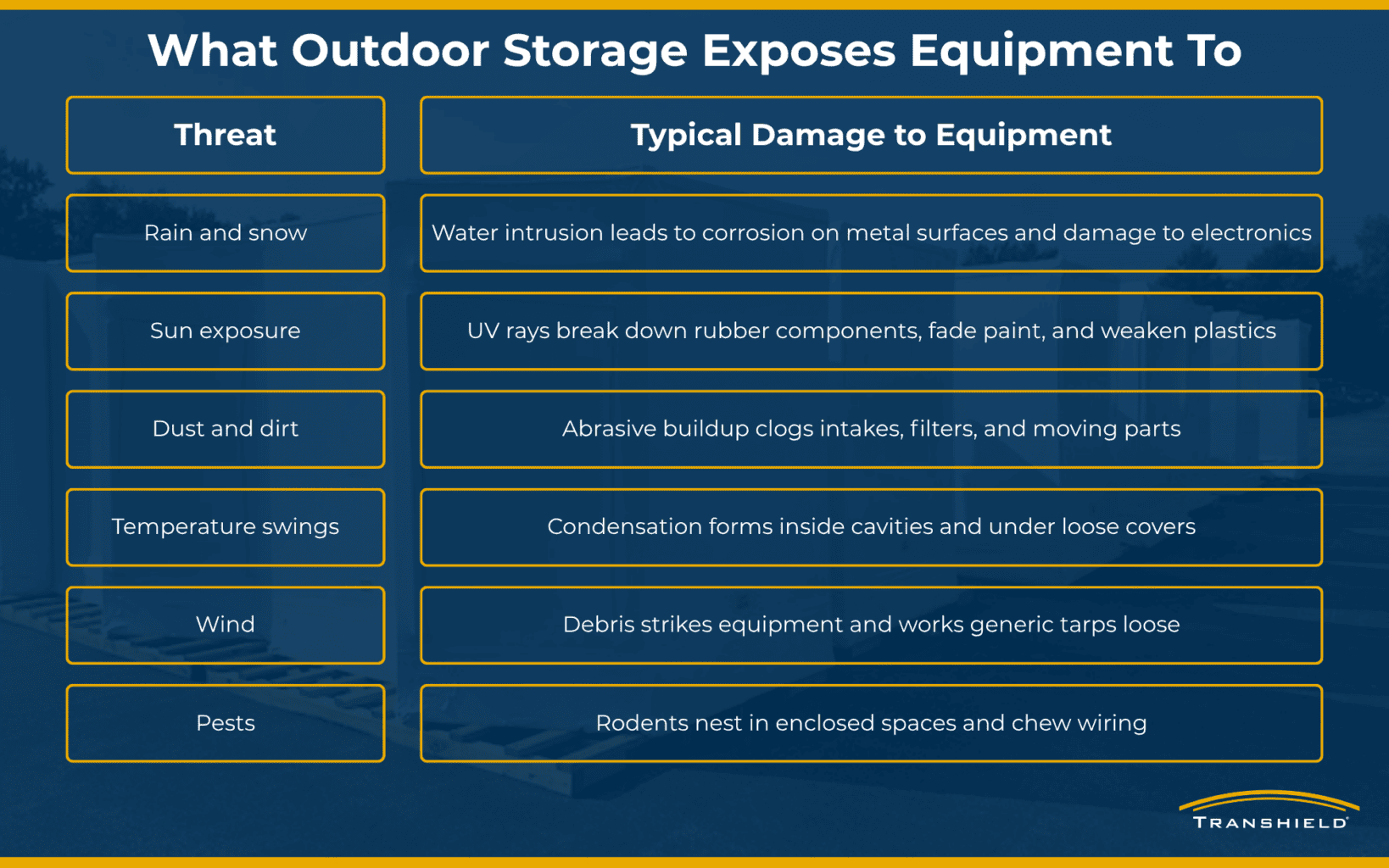
The problems start with water. Rain and snow drive moisture into seams and housings, and temperature swings add more, since condensation forms inside cavities and under loose covers even on dry days. Sun is the slower threat, as constant UV exposure breaks down rubber components and fades paint over a season outdoors. On top of that, dust settles into an abrasive layer that clogs intakes and filters, wind works generic tarps loose, and rodents nest in enclosed spaces and chew wiring.
Corrosion is the threat worth the most attention. In humid conditions, unprotected steel begins to oxidize within days, and the damage compounds over a full storage term. For manufacturers, this can mean warranty claims and rework, and for distributors it can mean inventory that no longer looks new.
1. Choose and Prepare the Storage Site
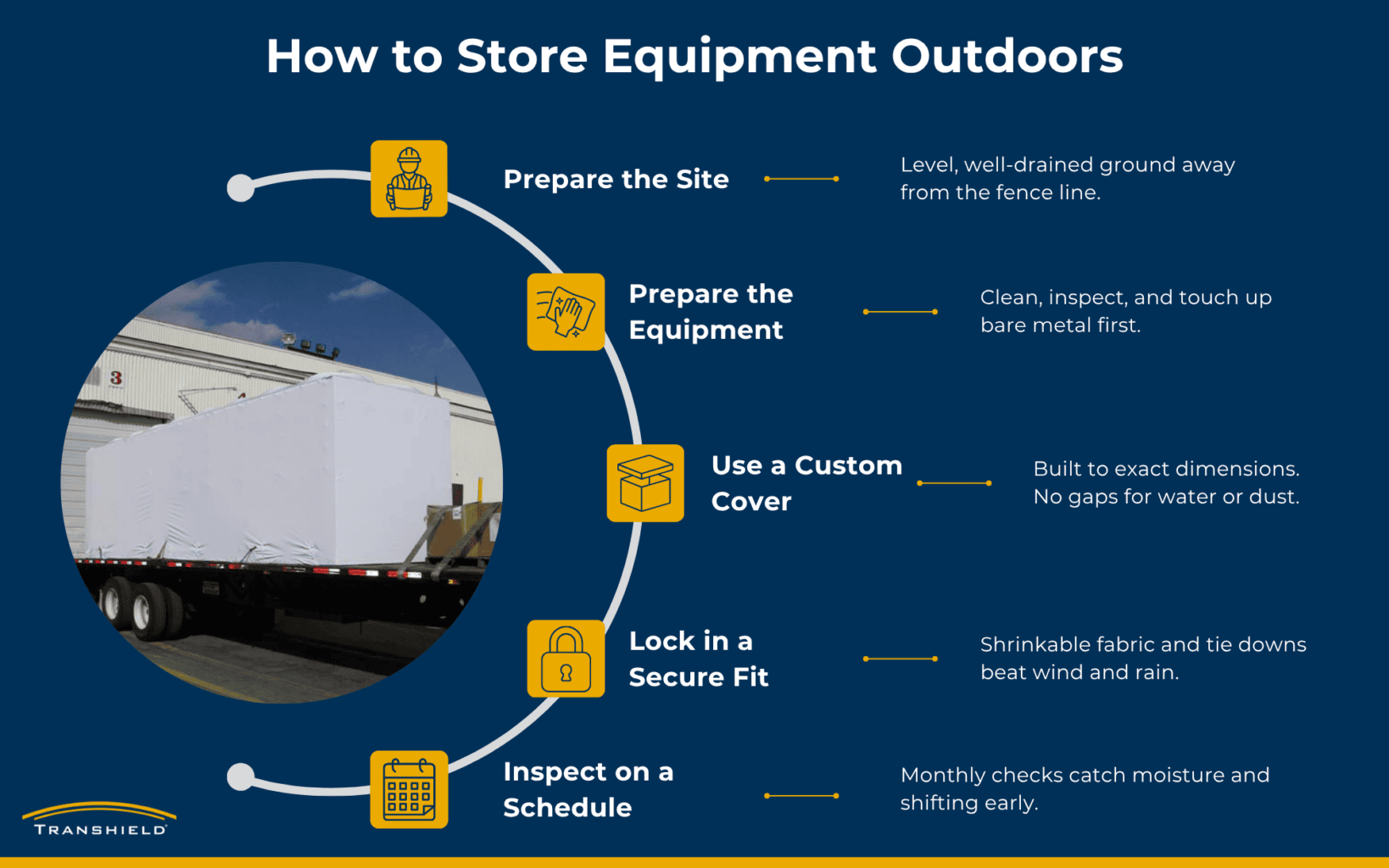
Where equipment sits matters almost as much as how you protect it. When laying out an outdoor storage area, look for:
- Level, well-drained ground: Standing water under equipment accelerates corrosion on undercarriages and keeps humidity high inside any cover.
- Distance from the fence line: Snow drifts, windblown debris, and vegetation collect along fences. Leave a buffer.
- Clear overhead space: Overhanging trees drop limbs, sap, and leaves that hold moisture against surfaces.
- Room to maneuver: Leave lanes wide enough to retrieve any unit without shuffling the rest of the yard.
- Security: Fencing, lighting, and cameras protect high-value industrial equipment from theft and tampering.
2. Prepare Equipment Before It Sits
An hour of preparation prevents weeks of repair work later. Before any unit goes into outdoor storage:
- Clean it. Remove dirt, grease, and residue from all surfaces. Buildup traps moisture and hides existing damage.
- Inspect and document: Walk around the unit, note wear or leaks, and take photos. This record protects you on warranty claims and gives you a baseline for the next inspection.
- Service fluids and filters: Fresh fluids protect internal components better than fluids that have been sitting for months.
- Lubricate moving parts: Grease joints and pivots so they do not seize.
- Check batteries: Disconnect or remove them for long storage terms.
- Touch up bare metal: Exposed steel corrodes first, so coat any chips or scratches before covering.
3. Cover Everything, and Cover It Correctly
An outdoor cover is the single most cost-effective protection for stored equipment. The type of cover determines how well it works.
Why Generic Covers Fall Short
Tarps and off-the-shelf covers made of canvas fabric, vinyl material, or solution-dyed polyester are cheap and available anywhere, which is why so many yards rely on them. They also trap moisture underneath, creating the exact conditions that cause rust, mold, and mildew. Even a waterproof fabric works against you when condensation forms beneath it with no way out. Generic covers fit loosely, so wind gets under the edges and pulls them free, and the gaps let in water, dust, and pests. Once wind pulls a tarp free, the equipment sits fully exposed until someone in the yard notices.
What a Custom Cover Does Differently
Custom covers are built to the exact dimensions of your specific equipment. A custom fit eliminates the gaps and pooling that cause problems with tarps, and reinforced wear points make these heavy-duty protective covers hold up through heavy rain, wind, and months of outdoor use.
Transhield covers use a three-layer construction:
- Outer layer: A UV-resistant polyethylene film that blocks sunlight and repels water.
- Middle layer: A hot melt adhesive, available with a patented process that emits vapor corrosion inhibitors (VCIs).
- Inner layer: A soft non-woven material that wicks moisture away from the equipment and moves it outside as vapor, so condensation never builds up under the cover. The soft interior also protects painted surfaces from scratching.
For any application where corrosion is a concern, we recommend covers containing VCI additives. VCIs work by maintaining a concentration of protective molecules in the space around the metal, and a close-fitting cover creates an enclosed space that holds those vapors in place. Inside the space, the molecules settle on every surface, including recessed areas that no coating could reach, and slow the corrosion process at the source. In lab and field testing, Transhield covers with VCI additives have reduced corrosion by up to 95%, and the protection lasts as long as the cover stays on. That long-lasting protection matters most when a unit’s storage term is open-ended.
4. Get a Secure Fit
Even a well-made cover fails if it moves. Wind that gets under a loose edge will lift, flap, and abrade the fabric until it tears or pulls free.
Transhield’s fabric heat-shrinks to the shape of the equipment, producing a snug fit that sheds water and snow, leaving nothing for the wind to grab hold of. Secure tie downs and ratchet straps can be built into the cover design for exposed yards. Easy installation matters just as much: one or two people can wrap most equipment, so crews learn the process quickly and apply it consistently across the fleet.
5. Inspect on a Schedule
Stored equipment still needs regular eyes on it. Build a walk-through into your routine:
- Monthly: Look for shifted covers, pooling water, pest activity, and any tears or abrasion.
- Quarterly: Open access points, check for moisture inside, and confirm that stored units still match your documentation.
Log each inspection with the date and any findings. The record supports warranty claims and reveals patterns, such as one corner of the yard where water collects.
When Storage Follows Transit
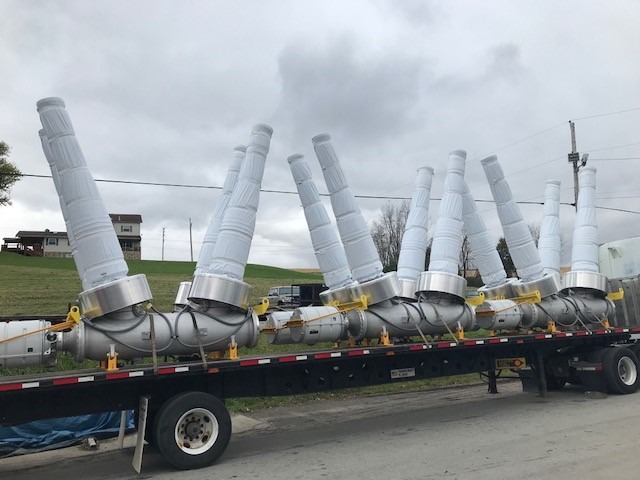
Equipment often ships to a destination and then sits, sometimes for months, before installation or sale. In that case, leave the cover in place. Removing it after transit exposes the equipment to weather during exactly the period when no one is watching it closely. Transhield covers are designed to protect through both phases, so a unit wrapped at the factory stays protected on the truck, in the yard, and up to the day it goes into service.
Protection Built for Your Equipment
Everything in an outdoor storage plan (site, prep, inspection) works better when the cover does its job. A custom Transhield cover fits your specific equipment, holds a secure fit through wind and heavy rain, and can carry VCI additives to slow corrosion through the whole storage term. We have built covers for manufacturers, distributors, and government fleets for over 30 years, backed by an ISO 9001:2015 certified quality system. Ready to protect your outdoor equipment? Contact us to discuss a custom cover for your operation.